027 550 0611
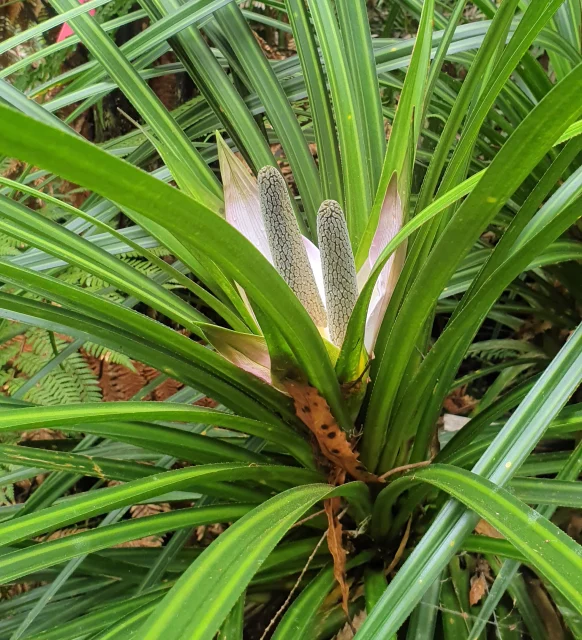 Freycinetia banksii
Kiekie is Native to New Zealand
The Kiekie in the Tangihua forest is found……….
Most places, it grows along the ground and up trees and is often considered a nuisance for trampers, hunters and conservationists.
Kiekie grows through out the forest and is commonly seen from most tracks.
Kiekie description
Kiekie is a densely branched, brittle, woody climber native to New Zealand. It is a member of the screw palm family Pandanaceae.
Kiekie has numerous cane-like stems up to 40 mm in diameter, which freely produce aerial roots. It climbs tree trunks, or forms dense tangles on the forest floor. Its stems and leaves are a dominant feature in many areas of New Zealand forest, the stems eventually reaching up to 30 m long. The leaves are long and slender, 60–90 cm long and 2–2.5 cm broad.
Flowers and Fruit – see below
Kiekie is dioecious, (an individual plant is either male or female)
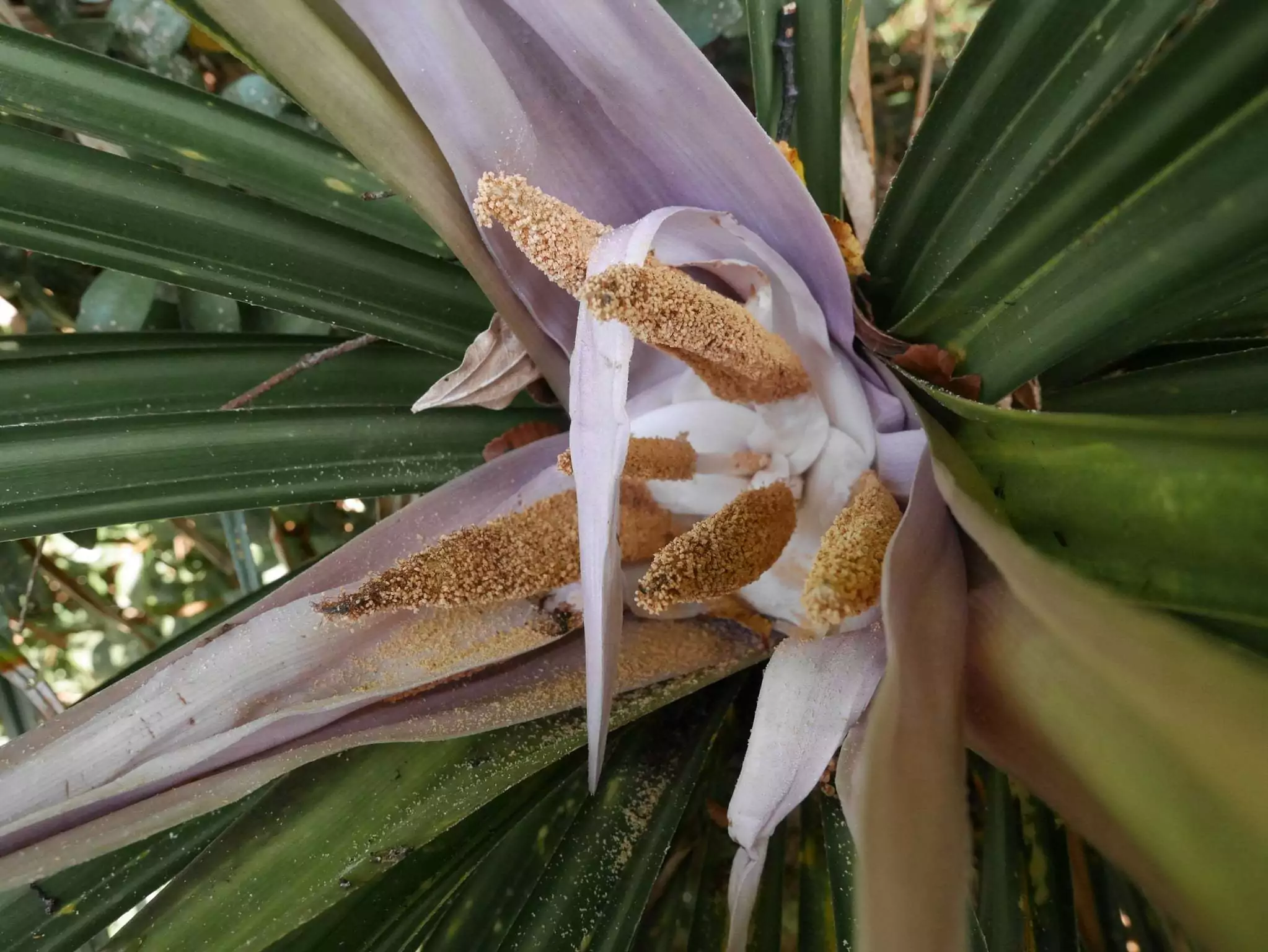
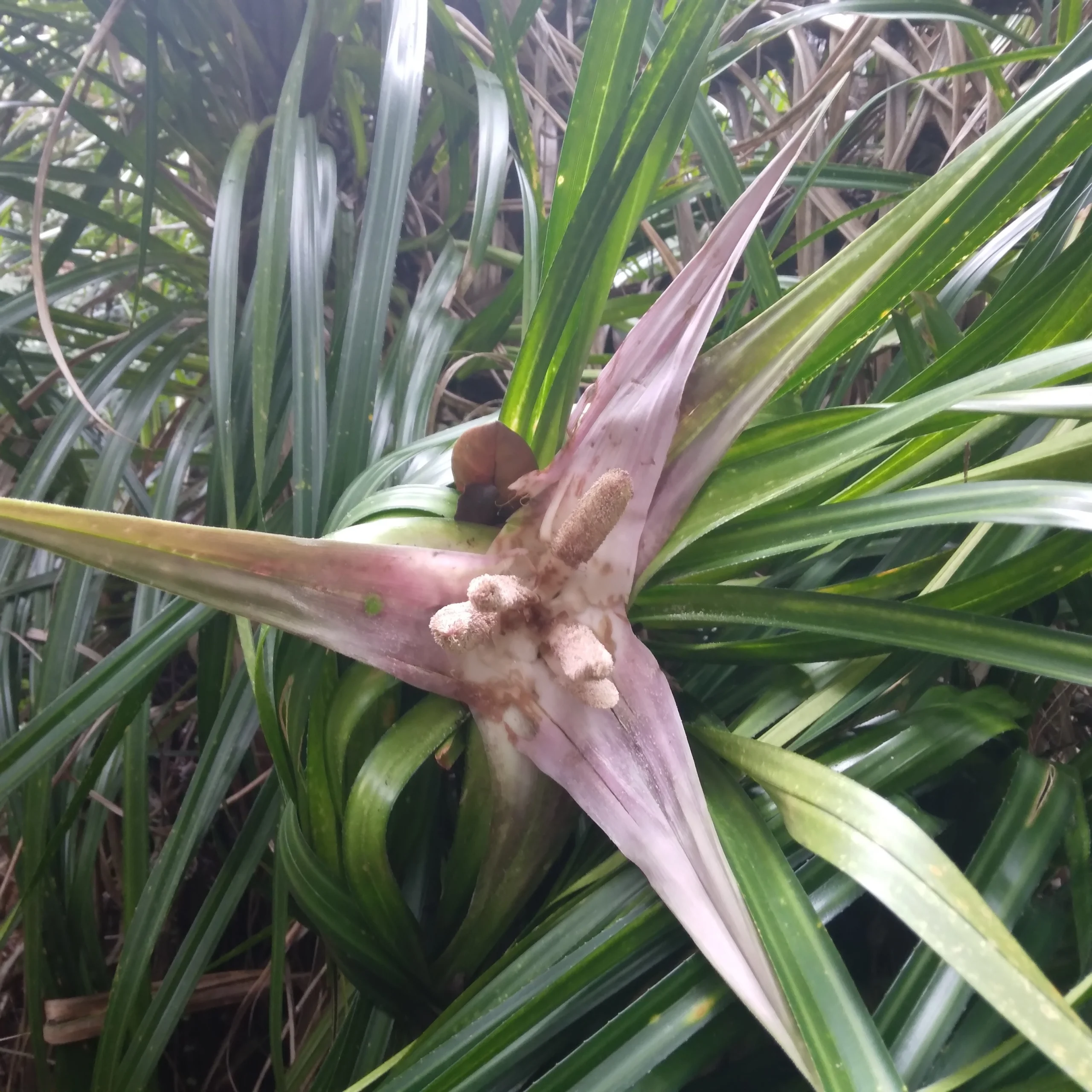
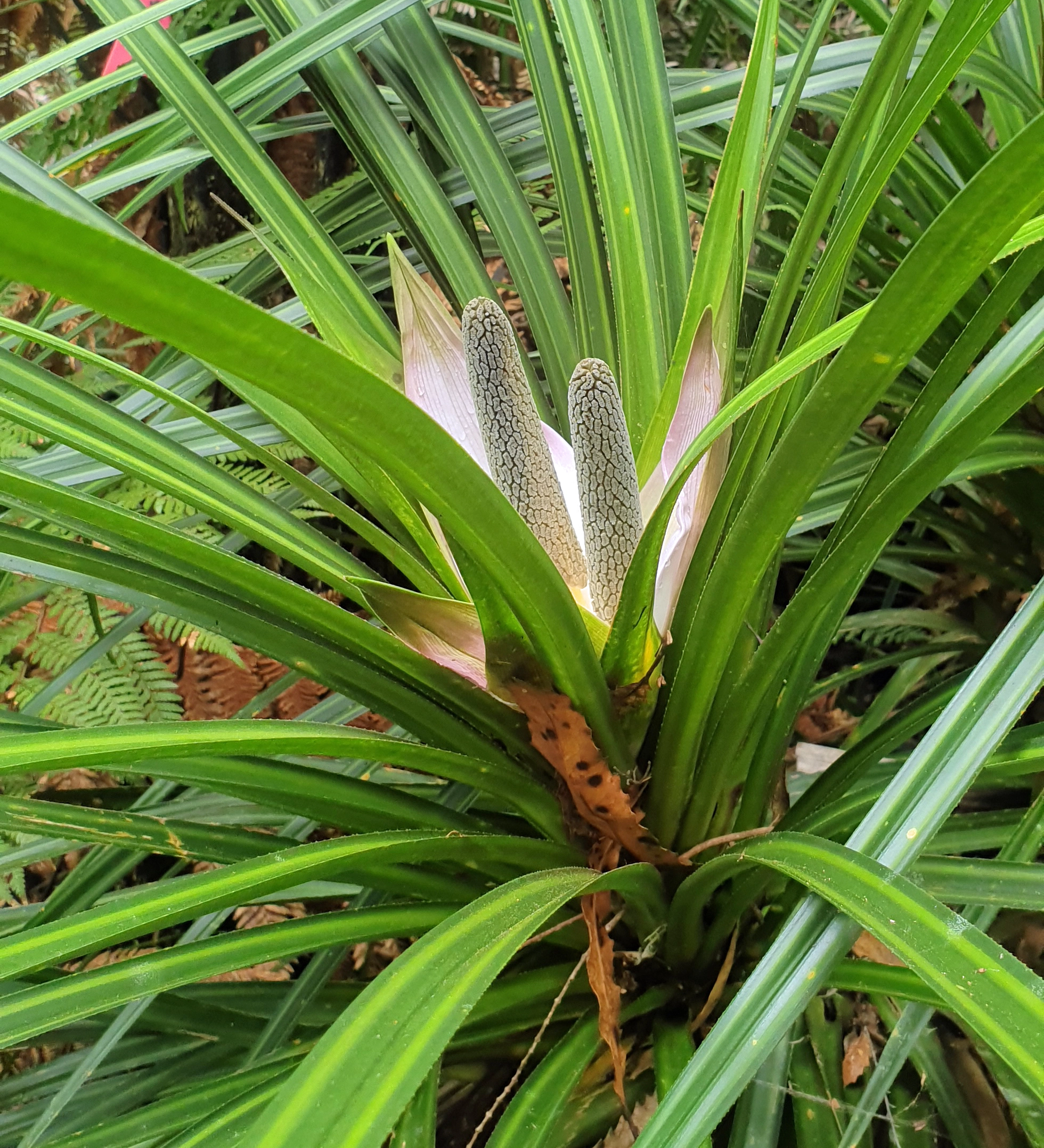
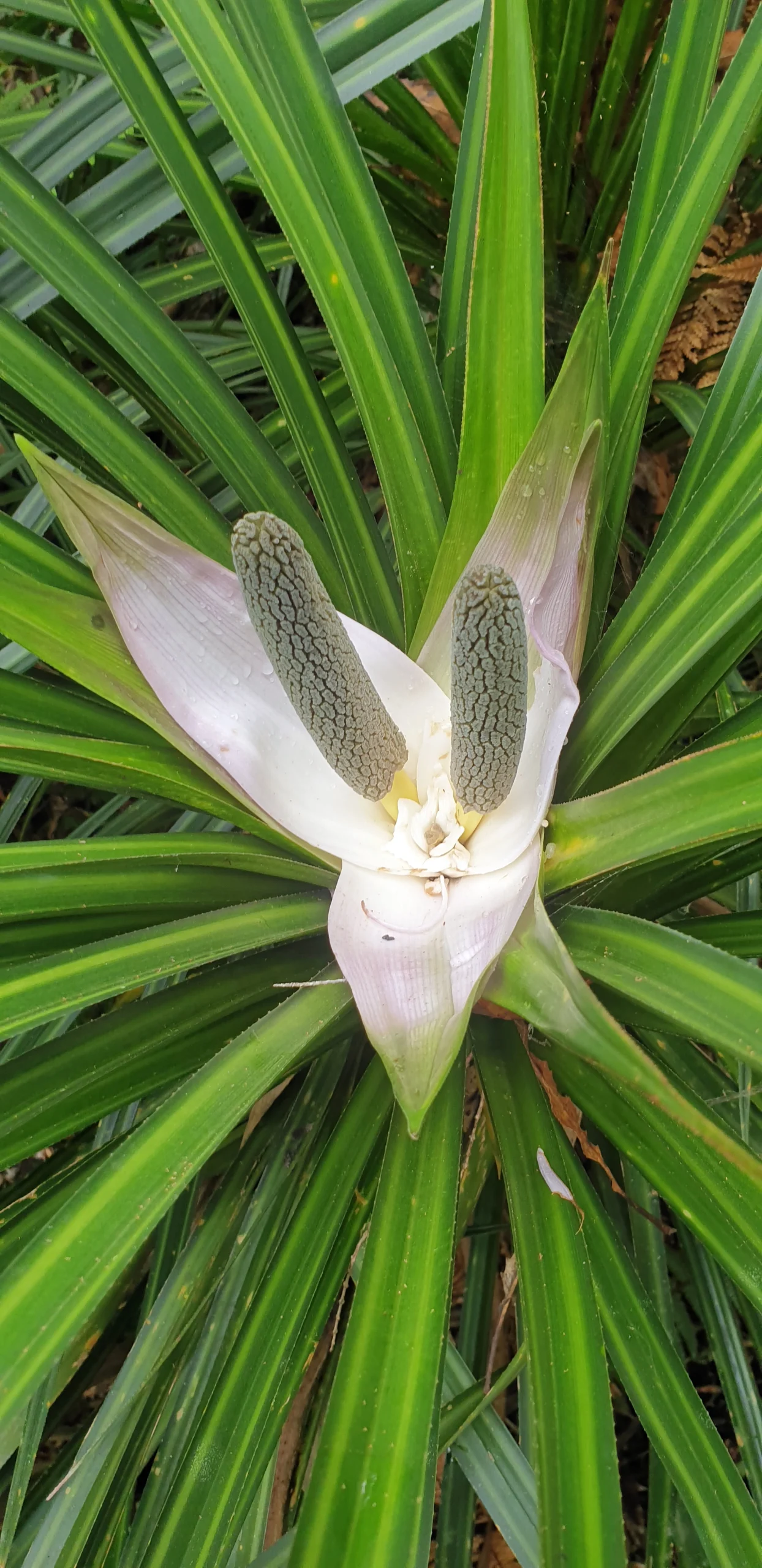
Kiekie has cream coloured flowers in spring, the flower has 3 fingers. Both sexs flowers and fruit are borne on woody spikes up to 15 cm long, which emerge from the middle of the leaf tuft.
The male kiekie produces several beige-brown stamen that are enclosed by whitish, succulent and fleshy bracts (modified leaves) called tāwhara. These are very sweet-tasting and were a highly desirable food.
The female plant develops three or four fruit (called ureure), with green remnant flower parts (carpels) on the surface. These fruits are also surrounded by fleshy bracts, though not quite as luscious as those of the male plant. The green segments swell and become pinky brown as the fruit ripens in late autumn (May). The rough surface can be peeled away to reveal the sweetish pulp on the inside.
The Flowers and fruit are edible
and very tasty. They are considered the nicest native plant foods we have and edible in summer and winter
- The flower called Tawara. These are soft and fleshy, and can be eaten in summer
- The fruit Pirori – These occur in clusters and can be up to 30cm long with a diameter of 7cm. The skins is tough and bitter but the inside is very sweet and nice to eat once ripe. This occurs in winter.
Maori proverb:
‘He wha tāwhara ki uta, he kiko tamure ki tai. Inland is the tāwhara fruit; in the sea, the flesh of the snapper. Meaning: Sweet food for man is everywhere, in land and water, by exertion. (Colenso 1880)
Unfortunatly rats possums and pigs tend to eat all the flowers.
Role in the Forest
Kiekie flowers and fruit provide food short tailed bats, tui, silvereyes and kaka.
Moari
The sweet-tasting fruits were eaten during winter and the succulent flower bracts (tawhara) were a delicacy of the Maori. These were often gathered by using a forked stick.
The leaves were widely used for plaiting and weaving, although the broader leaves of New Zealand flax were preferred because they provided more material. Items that were woven included mats and temporary baskets for holding food. The aerial roots were gathered to use as a binding material for implements and for making fish traps and sandals. The inner leaves of the kiekie were used to produce the finest whariki. (A placemat)
Threats and conservation
Possums, rats and mice also feed on the fruit.
Scource
Taranaki Educational Resource research analysis and information network